- Mumbai, Gangtok, New Delhi, Bangalore
- (+91) 81518 30000
- WhatsApp Now
- contact@vedawellnessworld.com
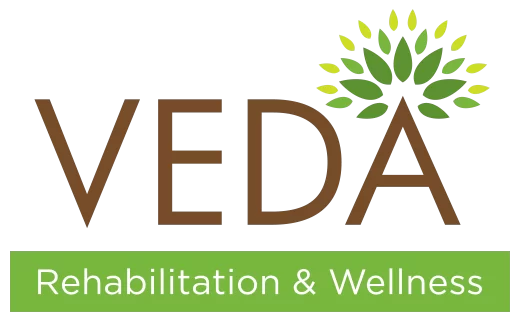
A lot of people joke about being “addicted” to their phones.
“I can’t survive without WiFi.”
“I scroll for five minutes and suddenly it’s 2 AM.”
“My child only listens when the internet stops working.”
It sounds funny until it stops being funny.
Because for many teenagers, students, professionals and even children today, excessive screen use is no longer just a habit.
It is affecting:
And in some cases, it quietly starts controlling life itself.
This is where professional help may become necessary.
The difficult part is knowing when normal screen use crosses into something more serious.
Technology is part of modern life.
Phones are used for:
So simply using screens for long hours does not automatically mean addiction.
The concern begins when someone loses control over the behavior.
Addiction usually involves:
Because the emotional and psychological effects are becoming increasingly visible.
Digital addiction often develops slowly.
At first, the signs seem harmless.
Then gradually, life begins revolving around screens.
Some common warning signs include:
The person thinks about gaming, scrolling, or checking notifications almost constantly.
Late night gaming or scrolling affects sleep quality, causing exhaustion, irritability and brain fog.
The person becomes anxious, restless or emotionally distressed without internet access or devices.
Real life interaction starts decreasing while online engagement increases.
Grades, work performance, concentration and motivation begin suffering.
The person repeatedly promises to reduce screen time but cannot maintain control.
Small interruptions during gaming or scrolling trigger disproportionate anger or frustration.
When several of these signs appear consistently, it may be time to seek professional support.
Teenagers are currently among the highest risk groups for digital addiction.
The adolescent brain is still developing, especially areas related to:
Gaming platforms, social media apps, and online content are designed to stimulate dopamine release repeatedly.
For teenagers, this reward cycle can become deeply reinforcing.
That is why gaming addiction treatment in India has become an increasingly important area within mental health care.
Parents often describe situations where:
At this stage, professional intervention may help significantly.
Digital addiction is not limited to teenagers.
Many adults quietly experience:
The problem is that adult screen addiction often hides behind “being busy.”
Someone may appear productive while internally feeling:
This is increasingly common among professionals living in high stress urban environments.
Many people attempt self recovery first.
They:
Sometimes this works.
But severe digital addiction is rarely just about the screen itself.
Often, screens become emotional coping mechanisms.
Gaming may help someone escape loneliness.
Social media may temporarily reduce insecurity.
Scrolling may numb stress or anxiety.
Without addressing the emotional cause, the behavior often returns quickly.
That is why professional digital addiction counselling can become important.
Modern behavioral addiction treatment in India focuses on understanding both the behavior and the emotional patterns underneath it.
Treatment may include:
Understanding:
Professional therapy helps individuals:
One of the most commonly used approaches for behavioral addictions.
Especially important for teenagers and young adults.
Digital addiction often severely disrupts sleep cycles and nervous system regulation.
In more severe cases, supervised reduction of screen exposure may be recommended.
A structured digital detox rehab in Mumbai like Veda or similar professional setting may help when:
For some individuals, environment plays a major role in recovery.
Being temporarily removed from constant digital stimulation can help the brain and nervous system reset more effectively.
Many people imagine rehab as something extreme.
In reality, modern rehab for internet addiction programs are often calm, therapeutic, and highly structured.
Treatment may include:
The goal is not punishment.
The goal is helping the person reconnect with real life functioning and emotional balance.
In some cases, digital addiction may coexist with:
An experienced Addiction Psychiatrist or mental health team can help assess whether deeper psychological conditions are contributing to compulsive screen behavior.
This is important because sometimes the screen addiction is only the visible symptom of deeper emotional distress.
Professional support should strongly be considered if:
Early intervention usually leads to better recovery outcomes.
Many parents and partners respond with:
Unfortunately, shame rarely improves addiction.
In fact, excessive criticism often pushes individuals deeper into emotional withdrawal and screen dependency.
A more effective approach usually combines:
People struggling with digital addiction are not “lazy.”
Many are emotionally overwhelmed, overstimulated, isolated, or struggling internally in ways others cannot see.
This is important.
Professional treatment does not aim to eliminate technology forever.
The goal is balance.
Healthy recovery means:
Technology itself is not evil.
But losing emotional freedom to technology can become deeply damaging over time.
Modern digital platforms are designed to capture attention aggressively.
Infinite scrolling, autoplay systems, gaming rewards, notifications and algorithms all encourage prolonged engagement.
That means digital addiction is not simply a “lack of discipline.”
It is a modern behavioral health issue that increasingly requires awareness, prevention and professional support.
And honestly, many people are struggling far more than they admit.
One of the biggest mistakes families make is waiting too long because: “It’s probably just a phase.”
Sometimes it is.
Sometimes it is not.
If screens are affecting someone’s emotional health, relationships, functioning or quality of life, seeking professional help early can make a huge difference.
Because recovery is not just about reducing screen time.
It is about helping someone feel emotionally alive, connected, calm, and present again.
Professional help may be needed when phone use becomes compulsive and starts affecting sleep, emotional health, work, academics or relationships despite repeated attempts to reduce usage.
Gaming addiction treatment in India usually includes therapy, behavioral interventions, digital detox support, emotional regulation training and structured recovery programs.
Yes. Professional social media addiction help can improve emotional balance, attention span, self control and reduce compulsive scrolling behaviors through counselling and therapy.
Digital addiction counselling helps individuals understand the emotional and psychological causes behind compulsive screen use while developing healthier coping strategies and routines.
A rehab for internet addiction may help with compulsive gaming, excessive phone use, social media dependency, online gambling behaviors, emotional withdrawal and related mental health challenges.